
How we work
Approach
A clear sequence from first enquiry to evidence in court, designed around court directions and, where relevant, legal aid prior authority.
Conflict check
Send a short outline of the matter. We confirm whether we are free to act before reading any case papers.
Scope and fee estimate
We review the key documents and set out the questions to be answered, the work required and a fee estimate, suitable for a prior authority application where the matter is legally aided.
Analysis
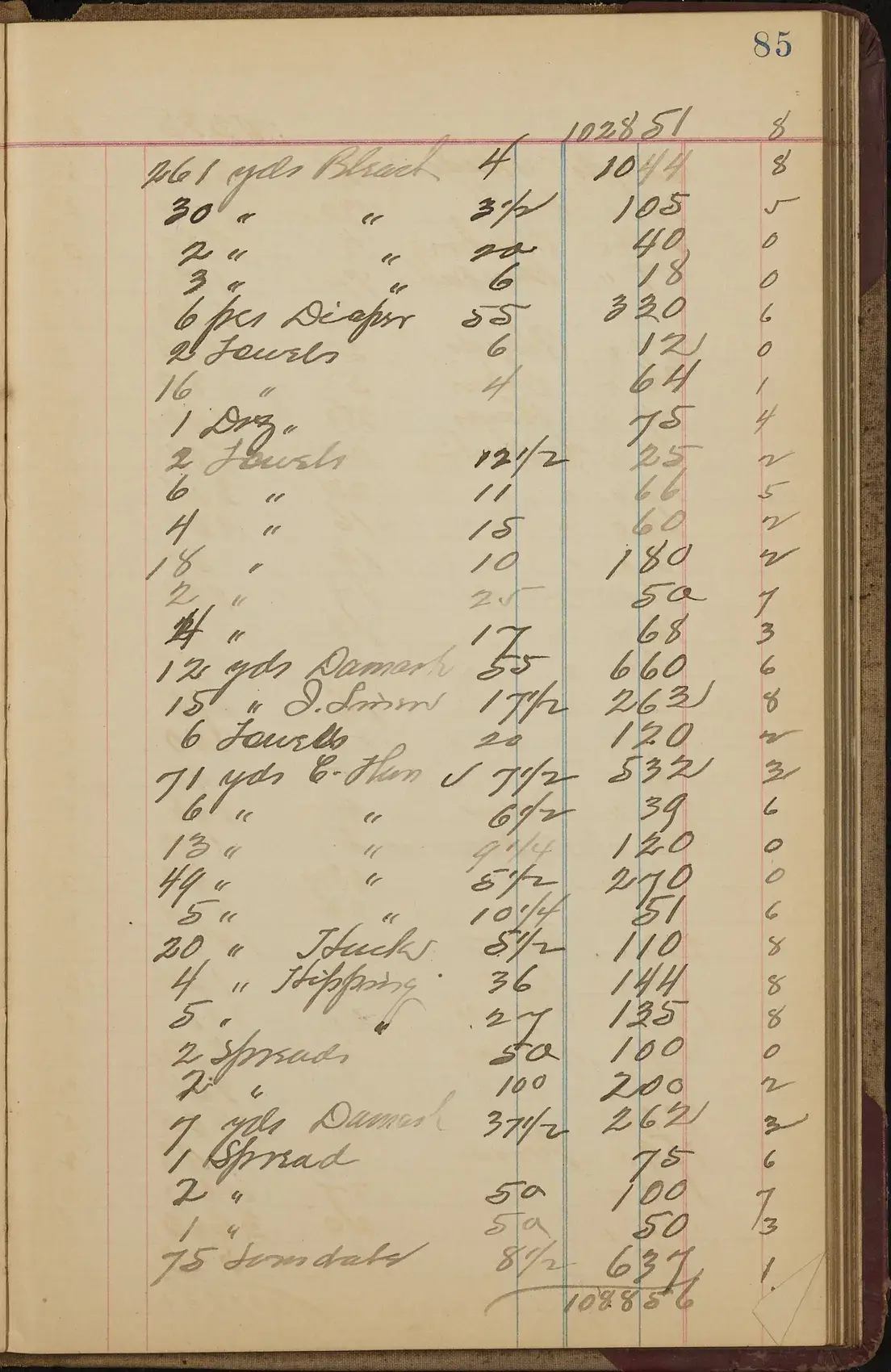
We work from the source records, not summaries, and keep the instructing team informed of emerging findings and any further disclosure needed.
Expert report
The report complies with Criminal Procedure Rules Part 19: it states the expert's duty to the court, the material relied on and the reasoning behind every conclusion.
Court
We attend conferences, meet the opposing expert where directed and give evidence at trial or at the confiscation hearing.
Principles
Independence
Our duty is to the court. We say what the records support, including where that does not help the instructing party.
Proportionality
Work is scoped to the questions that matter to the case, so that public and private funds are spent where they make a difference.
Transparency
Every figure in a report can be traced to a source document, and every assumption is stated so it can be tested.
Discuss a matter in confidence
Send a short outline of the matter. We will confirm whether we are free to act and how we can help.