
Confiscation and Proceeds of Crime
Service
In confiscation proceedings the court decides two figures: the defendant's benefit from crime and the amount actually available to pay. A forensic accountant tests both against the evidence.
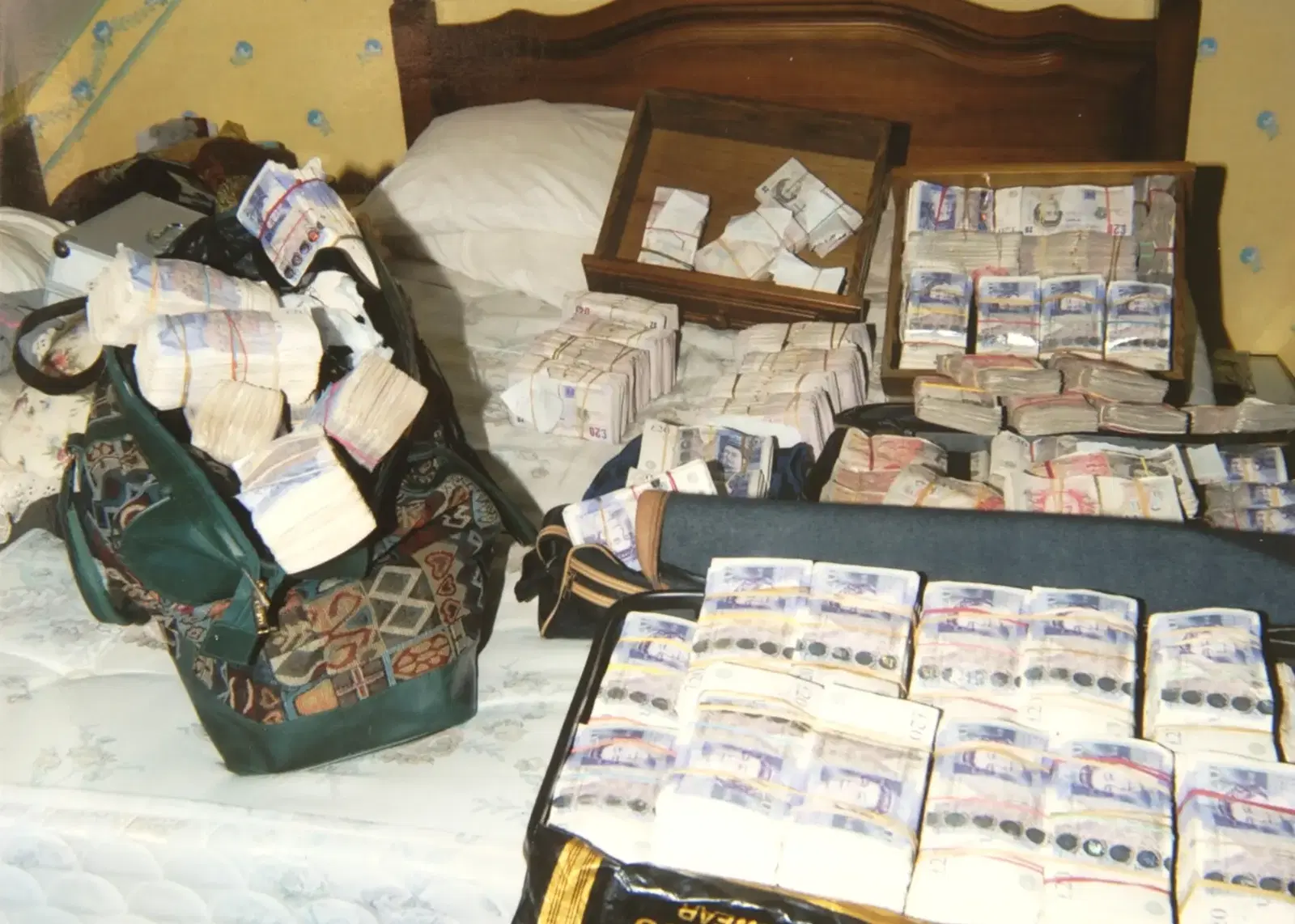
Confiscation under the Proceeds of Crime Act 2002 follows conviction and can result in an order far larger than any sentence the case suggested. The prosecutor's statement of information sets out a benefit figure, often relying on the statutory assumptions, and an available amount that may include assets the defendant says do not exist.
We analyse the prosecution statement, the underlying financial records and the defendant's own evidence. We identify where the assumptions should not apply, where benefit has been counted twice, and where the realisable value of assets has been overstated.
Our reports support the defence response to the statement of information and can be used at the confiscation hearing, on applications to vary an order, and on certificates of inadequacy.
What the work covers
- Review of the prosecutor's statement of information
- Analysis of criminal lifestyle assumptions and rebuttal evidence
- Benefit calculations and identification of double counting
- Valuation of realisable property and the available amount
- Response to hidden asset assertions
- Evidence for variation applications and certificates of inadequacy
Questions
What is the difference between benefit and the available amount?
Benefit is the value the defendant is found to have obtained from crime. The available amount is what the defendant can actually pay from their assets. The order is made for the lower of the two, so both figures matter.
Can a forensic accountant challenge hidden asset findings?
We examine the financial trail the prosecution relies on and set out, from the records, what happened to the money. Where funds were spent, lost or never existed, the analysis can support the defence case that there are no hidden assets.
Discuss a matter in confidence
Send a short outline of the matter. We will confirm whether we are free to act and how we can help.