
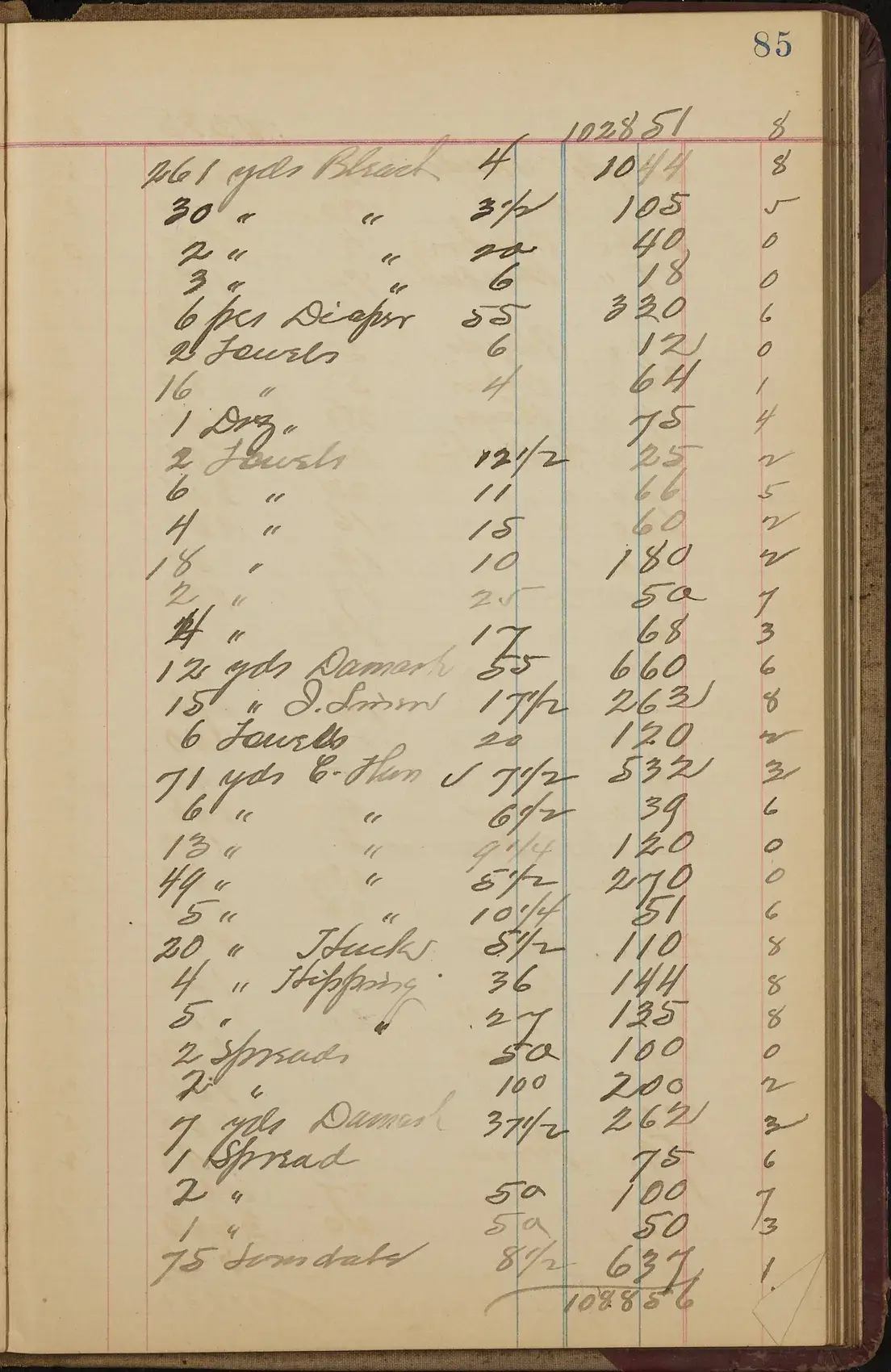
In short: Prosecution schedules summarise large volumes of financial records into a few tables, and those tables often shape the whole case. An independent review checks that each figure traces back to the evidence and that the method used is sound.
Why schedules matter
In most fraud trials the jury never reads the underlying bank statements. They see schedules and charts prepared by investigators. Those schedules decide how the alleged loss is presented and which transactions are treated as dishonest.
What to check
A structured review asks a small number of questions of every schedule:
- Does each line trace to a specific source document that has been served?
- Are transfers between the defendant's own accounts excluded?
- Has legitimate business activity been separated from the alleged fraud?
- Are totals and date ranges consistent with the indictment?
When to instruct an expert
The best time is soon after the financial evidence is served. Early review identifies missing disclosure while there is time to request it, and helps the defence decide whether expert evidence is needed at trial or only later in confiscation.